
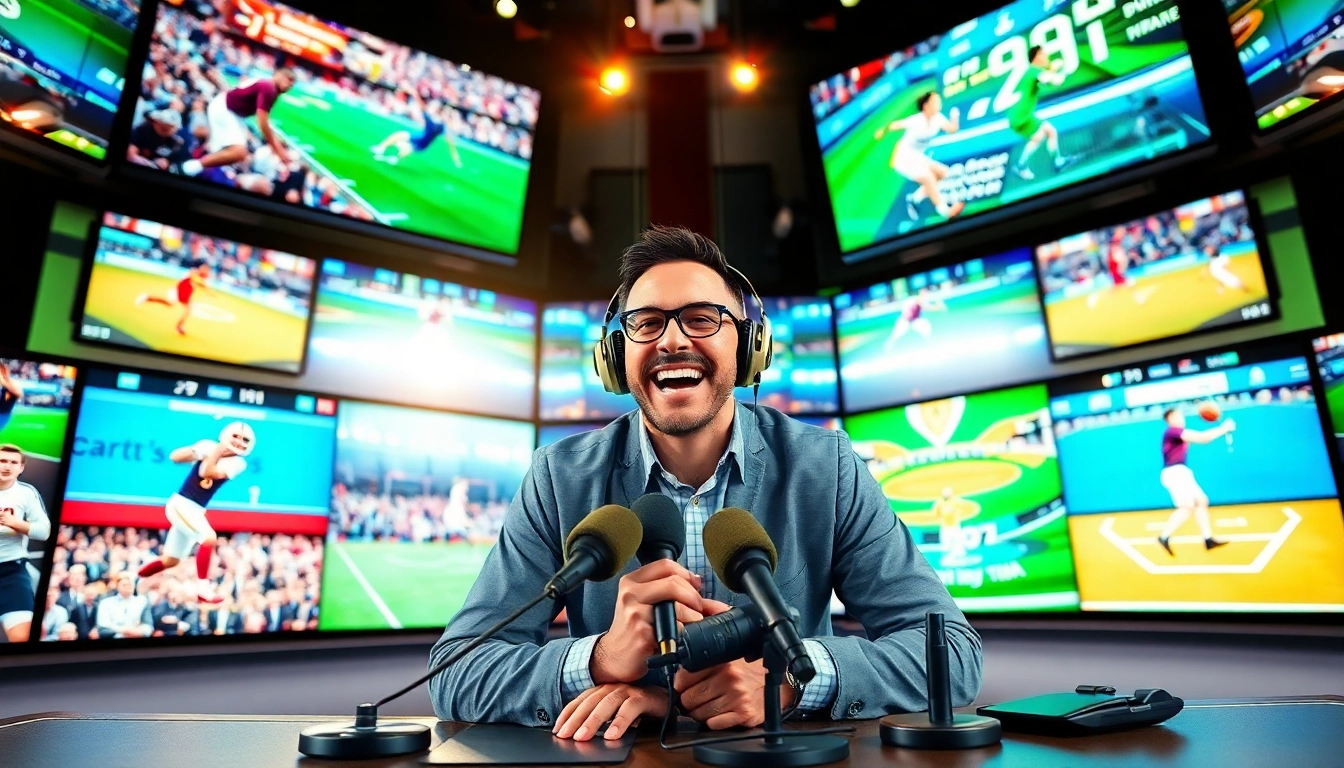
Introduction to Sports Broadcasting
Overview of Sports Broadcasting
Sports broadcasting refers to the distribution of sports events via electronic media, including radio, television, and increasingly, the internet. This genre has grown exponentially, engaging millions of fans worldwide. It encompasses not only live event coverage but also commentary, highlights, and in-depth analysis. The inclusion of multiple platforms has transformed how sports are consumed, making them more accessible than ever. For those looking to delve deeper into Sports Broadcasting, understanding its fundamentals is vital.
Importance in Modern Media
The significance of sports broadcasting in today's media landscape cannot be overstated. It is a cornerstone that supports hundreds of billions in revenue through advertising, sponsorships, and broadcasting rights. It brings communities together, fosters local and national pride, and provides a platform for discussion and engagement among fans. With the rise of cord-cutting, sports broadcasting has also paved the way for innovative viewing experiences that extend beyond traditional television.
Evolution of Broadcast Technologies
The evolution of broadcast technologies has significantly influenced sports broadcasting. Starting from black-and-white broadcasts in the 1930s to today's high-definition and virtual reality experiences, technology has enabled more immersive viewing. The transition from analog to digital and the advent of streaming platforms have reshaped how viewers experience sports, leading to options such as multi-camera angles, which significantly enhance engagement and enjoyment.
Key Elements of Sports Broadcasting
Roles of Commentators and Analysts
Commentators and analysts play crucial roles in sports broadcasting. They provide real-time analysis, enhance understanding, and create a more engaging environment for viewers. High-profile commentators often become household names, bringing personality and expertise to the broadcast. Analysts dig deeper into gameplay strategies, player performances, and statistical analyses, making broadcasts more informative and enriching for the audience.
Production and Technical Specs
High-quality production is essential to sports broadcasting. This includes camera placement, audio quality, and post-production editing. Technical aspects such as frame rates, resolution, and graphics enhance viewer experience. Innovations like drones and augmented reality graphics are becoming more prevalent, allowing broadcasters to offer visually stunning presentations. Moreover, linear productions are complemented with online streams and mobile applications, providing viewers multiple ways to access content.
Audience Engagement Strategies
Engaging the audience is a central tenet of successful sports broadcasting. This can be achieved through interactive polls, social media integration, and live chats during broadcasts. Enhancing second-screen experiences via mobile apps can create opportunities for deeper engagement, allowing viewers to access real-time stats, player information, and behind-the-scenes content while enjoying the game. Developing loyalty programs and rewarding active participants are also effective strategies.
Trends Impacting Sports Broadcasting
Shift to Digital Platforms
A major trend in sports broadcasting is the shift from traditional TV to digital platforms. Streaming services allow fans to customize their viewing experiences, choose when, where, and how to consume their favorite sports. This flexibility is appealing, particularly among younger audiences, leading to a surge in subscriptions to platforms that cater to these needs, often at a lower cost than traditional cable packages.
The Rise of Interactive Viewing
Interactive viewing transforms the spectator experience, allowing fans to participate through live polls, trivia contests, and additional viewpoints or camera angles. This participatory approach keeps viewers engaged throughout the broadcast, enhancing enjoyment and providing valuable insights into viewer preferences and behaviors for broadcasters.
The Role of Social Media
Social media platforms play a significant role in sports broadcasting, serving as channels for real-time updates, highlights, and fan interactions. Broadcasters now increasingly use these platforms for pre- and post-game discussions, live commentary, and audience engagement. The sharing of content on social media extends the reach of broadcasts and facilitates connections between teams, players, and their fan bases.
Challenges in Sports Broadcasting
Competition and Market Saturation
The rise of numerous channels and streaming platforms has led to intense competition and market saturation in sports broadcasting. As audiences have more options than ever, retaining viewer loyalty becomes challenging. Broadcasters must innovate continuously and provide unique content while keeping an eye on viewer shifts that might emerge as trends change rapidly.
Regulatory and Licensing Issues
Regulatory and licensing challenges pose significant hurdles for sports broadcasting. Negotiating broadcasting rights can be complex, with many stakeholders involved, including leagues, teams, and media companies. Additionally, adhering to regional broadcasting laws can complicate content delivery across different media, resulting in access constraints and legal issues.
Maintaining Viewer Loyalty
Maintaining viewer loyalty in the face of myriad entertainment options requires broadcasters to understand their audience profoundly. Strategies like personalized content, loyalty rewards, and exclusive behind-the-scenes experiences can foster a loyal viewer base. Continuous engagement through interactive features also helps keep fans connected, ensuring they return for future broadcasts.
Future Directions in Sports Broadcasting
Technological Innovations Ahead
The future of sports broadcasting will be characterized by rapid technological innovations. The integration of artificial intelligence will enhance analytics, allowing broadcasters to offer more nuanced insights. Furthermore, virtual and augmented reality experiences will provide fans with unprecedented access to games, potentially changing how sports are consumed altogether. Anticipating these changes will be critical for networks and platforms looking to lead in this competitive landscape.
Predicting Audience Behavior
Leveraging big data and machine learning can provide broadcasters with predictive insights into audience behavior. Understanding trends in viewership, preferences, and engagement metrics can help create targeted content that resonates with specific demographics. Such predictive analysis allows broadcasters to stay one step ahead in catering to viewer expectations and enhancing satisfaction.
The Next Generation of Sports Broadcasters
The next generation of sports broadcasters will benefit from radically different learning environments, emphasizing technology and audience engagement skills. Emerging talents will be adept at combining traditional broadcasting skills with digital fluency, understanding analytics, and creating interactive content that resonates with modern viewers. Training programs and coursework in multi-disciplinary skills will become crucial in nurturing these future broadcasters.
FAQs:
What is Sports Broadcasting?
Sports Broadcasting involves the transmission of sports events through audio and video mediums. It provides commentary, analysis, and news about various sports, enhancing viewer engagement.
How has technology changed Sports Broadcasting?
Technology has shifted Sports Broadcasting from traditional TV to streaming platforms, allowing real-time updates, multiple viewing options, and interactive experiences for audiences.
What are the common challenges faced in Sports Broadcasting?
Challenges include competition from digital platforms, maintaining viewer engagement, and navigating complex broadcasting rights and regulations.
What trends are currently shaping Sports Broadcasting?
Current trends include the rise of digital streaming, interactive content, and integration with social media, changing how fans engage with sports.
What is the role of commentators in Sports Broadcasting?
Commentators provide live analysis and commentary during events, enhancing viewer understanding and enjoyment, and creating a more immersive sports experience.